
"political history"
800 article(s) found

The history of espresso the history of espresso
Professional coffee knowledge exchange more coffee bean information Please follow the history of espresso in the coffee workshop (Wechat official account cafe_style) for more than 1000 years, coffee has been an important part of our world history, and with its popularity around the world, its rituals have been accepted in different cultures. For generations, many countries have enjoyed unique varieties of coffee, but

A brief introduction to the Origin, Development, History and Culture of El Salvador Himalayan Fine Coffee beans
The current situation of coffee production is a natural and man-made disaster, which is a perfect description of the challenges facing the coffee industry in El Salvador. Despite getting rid of the haze of war, El Salvador's coffee production still faces challenges from time to time, including: 1998, hurricanes; 2001, earthquakes; 2002, volcanic eruptions; 2012, leaf rust

Coffee changes the world-2
United States: giving up hundreds of millions of inheritance rights for coffee beans in the 1970s and 1980s, the rulers and generals of Guatemala and El Salvador had huge coffee fields, devouring most of their profits, while farmers had no meals. Many farmers, especially Indians, joined the Communist guerrillas and attacked government forces, and the authorities responded with the Holocaust, aggravating the deep feud between coffee farmers and the government.

Introduction to the flavor and taste characteristics of chocolate-flavored Indonesian Fuyin Manor coffee
In July 2004, Indonesia held its first direct presidential election in history. Former Minister of political Security Susilo Bambang Yudhoyono and Minister of people's Welfare Coordination Muhammad Jusuf Kalla won two rounds of direct elections and were sworn in as president and vice president on October 20, 2004. In August 2005, the Indonesian government reached a peace agreement with the Aceh Independence Movement separatist organization. July 2006, India

Fine coffee culture, history, coffee, culture and environment are inseparable.
Coffee is not only one of the most popular drinks in the world, but also one of the most traded products in the world. I've been writing a book about coffee recently, but I've been hesitant: I don't know how many coffee consumers really want to know about the things behind coffee. Many of us like to savor the taste and feeling of a cup of hot Scotch coffee, not to mention the taste.

How do humans create coffee? Why would you do that?
How do humans create coffee? Why would you do that? How did we get this far in coffee competitions around the world and an industry that exports 30 billion dollars a year? In addition, how did the first, second, third or even fourth wave of coffee come from? If you have ever thought about these questions, please be prepared. Lao WA will take you from the 14th century. It's easy.

Very full-bodied, fragrant and bitter Indonesian Manning coffee taste manor introduction
In July 2004, Indonesia held its first direct presidential election in history. Former Minister of political Security Susilo Bambang Yudhoyono and Minister of people's Welfare Coordination Muhammad Jusuf Kalla won two rounds of direct elections and were sworn in as president and vice president on October 20, 2004. In August 2005, the Indonesian government reached a peace agreement with the Aceh Independence Movement separatist organization. July 2006, India

Catimorkatimo Coffee History Katim English Catimor Coffee Features
Professional coffee knowledge exchange more coffee bean information please follow the coffee workshop (Wechat official account cafe_style) 1, coffee transmission route outline Ethiopia to Yemen (595850), Yemen to India and Java (1600), Java to the Netherlands (1706), the Netherlands to Paris (1714), Paris to Bourbon (1718) Martinique Island, Haiti (1723)
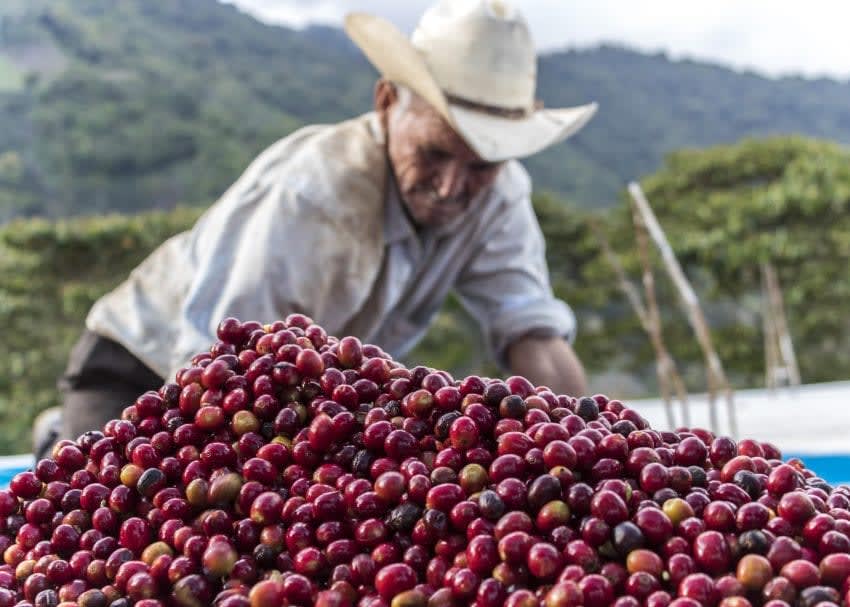
What you don't know about coffee: the black history of slaves behind the coffee industry
Professional coffee knowledge exchange more coffee bean information please follow the coffee workshop (Wechat official account cafe_style) when you get a bag of roasted Brazilian coffee, or order a cup of Colombian handcups, you may be able to get complete information about the producing areas, but have you ever thought about the origin of these coffees in the first place? Who were the workers who first developed these farms and built them into gardens? Let's

A brief introduction to the history and culture of the origin and development of boutique coffee beans in Berman Manor
The capital Nairobi, with an area of 648 square kilometers, 1680 meters above sea level and a population of 3 million, is the political, economic, cultural, industrial and transportation center of the country. it has been designated as the capital since 1907 and is one of the international cities in Africa. Kenya has a total population of 41.8 million (2013), with a population growth rate of 2.7 per cent. There are 42 ethnic groups in China, mainly Kikuyu (17%) and Lucia (

Coffee Kingdom, full-bodied fragrance
The growing coffee tree expansion football, which is the most prominent symbol of Brazil. Coffee is another label in Brazil. Today, coffee has become an indispensable necessity in Brazilian life, but looking back in history, coffee is not just a simple after-dinner drink for Brazil, it has brought great vitality and vitality to this land (blog, Weibo).
Angolan Coffee Tree Angolan Coffee Price
Angola is located in southwest Africa, with the capital Luanda, the western Atlantic Ocean, the Democratic Republic of the Congo to the north and northeast, Namibia to the south and Zambia to the southeast, and an outer enclave of Cabinda province bordering the Republic of the Congo and the Democratic Republic of the Congo. The Angolan economy is dominated by agriculture and minerals, as well as oil refiners.

Guadeloupe, a name that used to be proud of in coffee history.
Good coffee production has been affected by natural disasters this group of islands in the Caribbean used to be an important producer of coffee. In 1789, more than 1 million coffee trees on 500 hectares of land produced 4000 tons. Today, only 150 hectares of land is used to grow coffee. This decline can be attributed to the increase in sugar cane and banana production and Hurricane Hurricane Ines in 1996.

Arab world: no coffee, no revolution?
Have you ever had coffee? Does the coffee really taste good? In fact, when we enjoy coffee, most of the time we just regard it as a drink, a different, unique, refreshing drink, but seldom think about it: what is the big name of a small coffee? Just because coffee is amazingly big, it is the second largest coffee in the world after oil.

Coffee, a legend that can change the world
Have you ever had coffee? Does the coffee really taste good? In fact, when we enjoy coffee, most of the time we just regard it as a drink, a different, unique, refreshing drink, but seldom think about it: what is the big name of a small coffee? Precisely, coffee is surprisingly big-it is second only to oil in the world.

Rwanda coffee history and coffee market
Professional coffee knowledge exchange more coffee bean information please follow Coffee Workshop (Wechat official account cafe_style) Rwanda: small but powerful about 60 years ago, Rwanda was a country with high coffee production and low quality under the rule of Belgium. Thirty years ago, Rwanda experienced a protracted economic crisis due to increased political instability and falling prices of green coffee.
Coffee, a legend that can change the world
Have you ever had coffee? Does the coffee really taste good? In fact, when we enjoy coffee, most of the time we just regard it as a drink, a different, unique, refreshing drink, but seldom think about it: what is the big name of a small coffee? Just because coffee is amazingly big, it is the second largest coffee in the world after oil.

Tanzanian coffee beans with complex taste Origin and development History and culture
Tanzania's main coffee-producing area is located at the foot of Mount Kilimanjaro, which has rich volcanic soil. Some coffee trees planted here are more than 100 years old. The earliest coffee was first introduced from Kenya by Christians. Coffee trees must be carefully cared for, weeded and fertilized. And old branches must be cut so that new branches can grow to preserve the beans.

Brief History and present situation of Coffee production
A brief History of Coffee production in 1742, coffee was introduced to El Salvador from the Caribbean (1740). In the mid-19th century, El Salvador's original export pillar indigo (Indigo, a kind of dye) industry received a gradual decline in the development of synthetic dyes in Europe, and coffee gradually became the main export product under the leadership of the government. In 1856, the first 693 bags of coffee beans were shipped to Europe.
Introduction to the origin of coffee-"Rwanda, Burundi" of the African Department
For the exchange of professional baristas, please follow the coffee workshop (Wechat official account cafe_style) today to introduce the five East African countries, and then introduce the coffee from the five East African countries individually. In 2015, five East African Communities, including Kenya, Tanzania, Burundi, Rwanda and Uganda, proposed that five countries be merged into a federal state, using a common constitution, president, parliament and goods.